राधे राधे Radhe Radhe

A curated reading room

All things Vrindavan, curated

Videos, chanting, temple information, Braj culture.

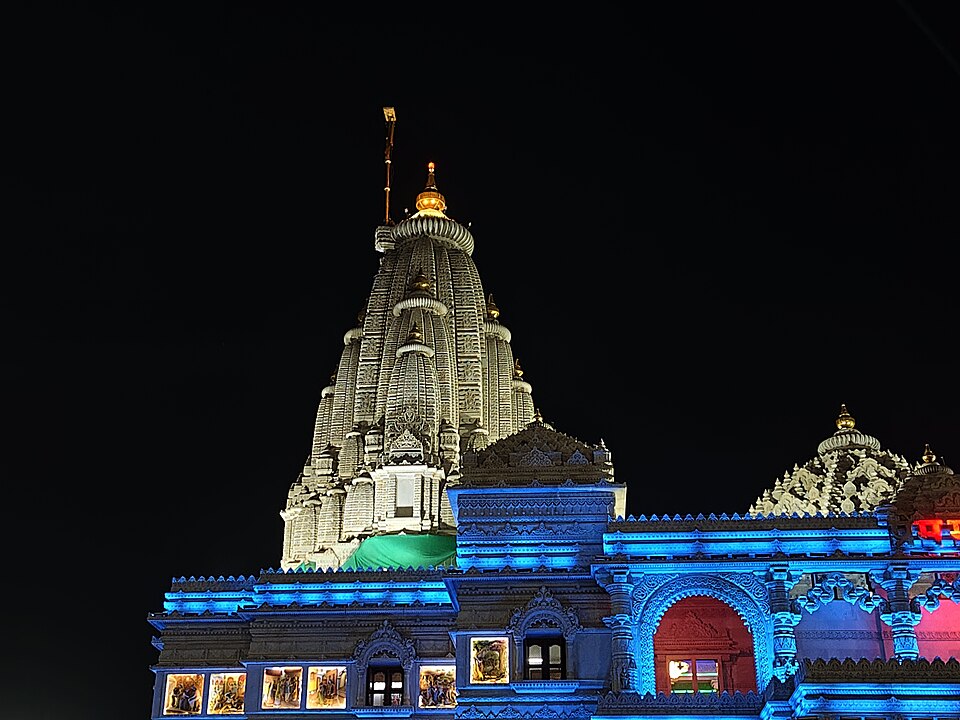
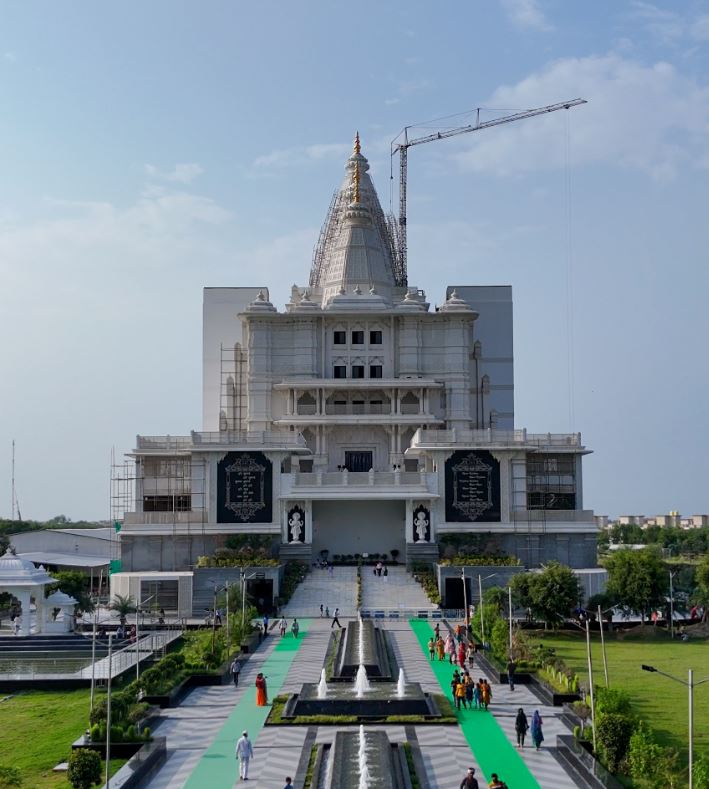
Prem Mandir lit up at night

Videos

Aarti, darshan, seva

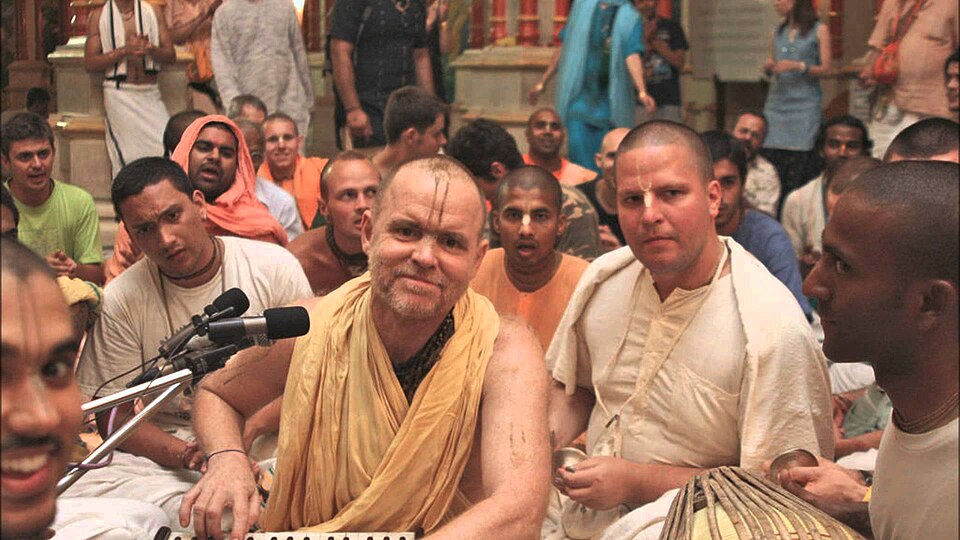
Kirtan at Krishna Balarama Mandir

Chanting

Kirtan and japa

Vrindavan Chandrodaya Mandir and its gardens

Temples

Timings and visits

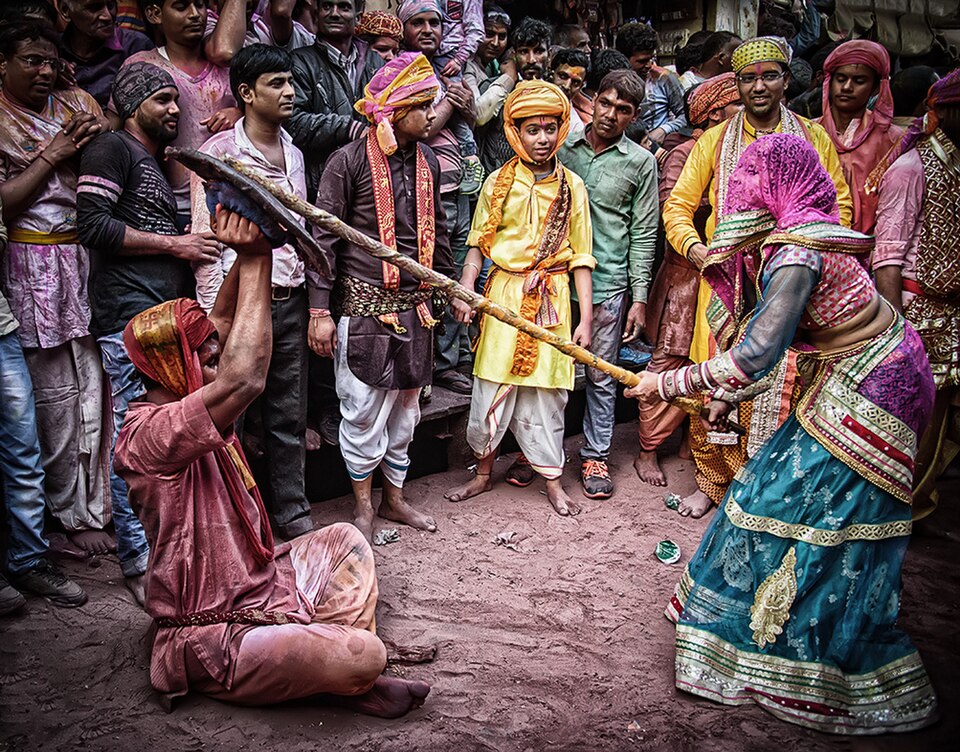
Lathmar Holi in Barsana

Braj culture

Barsana, Holi, the greeting

The month the temples keep as Damodar Maas, and the days they mark in it.

  1. Saturday 21 November

    Devautthani Ekadasi

    Also called Utthana or Prabodhini Ekadasi, the day Lord Vishnu wakes from his four-month rest of Chaturmas. ISKCON Vrindavan keeps it at Krishna Balarama Mandir, and devotees hold it dear for its link to Tulasi Vivah. The fast is broken the next morning, Sunday 22 November, between 6:45 and 10:18 India time.

    Source: ISKCON Vrindavan, its own Devautthani Ekadasi page

  2. Tuesday 24 November

    Kartik Purnima, the month closes

    The full moon that ends Damodar Maas. Vrindavan Chandrodaya Mandir runs its Kartik Utsav to this day and no further.

    Source: Vrindavan Chandrodaya Mandir, official website

Braj filmThe parrot in the kadamba

Videos

Video

Live darshan from Vrindavan Chandrodaya Mandir

The temple keeps a darshan stream running on its own channel, carrying aarti, kirtan, and pravachan through the day. Open it on the mornings you cannot be there.

Source: Vrindavan Chandrodaya Mandir, official channel
Video

Maha aarti of Shri Radha Krishna at Prem Mandir

The maha aarti at Prem Mandir, written and composed by Jagadguru Shri Kripalu Ji Maharaj and filmed on his mission's official channel. Watch it full screen, with the sound on.

Source: Jagadguru Shri Kripalu Ji Maharaj, official channel

Video

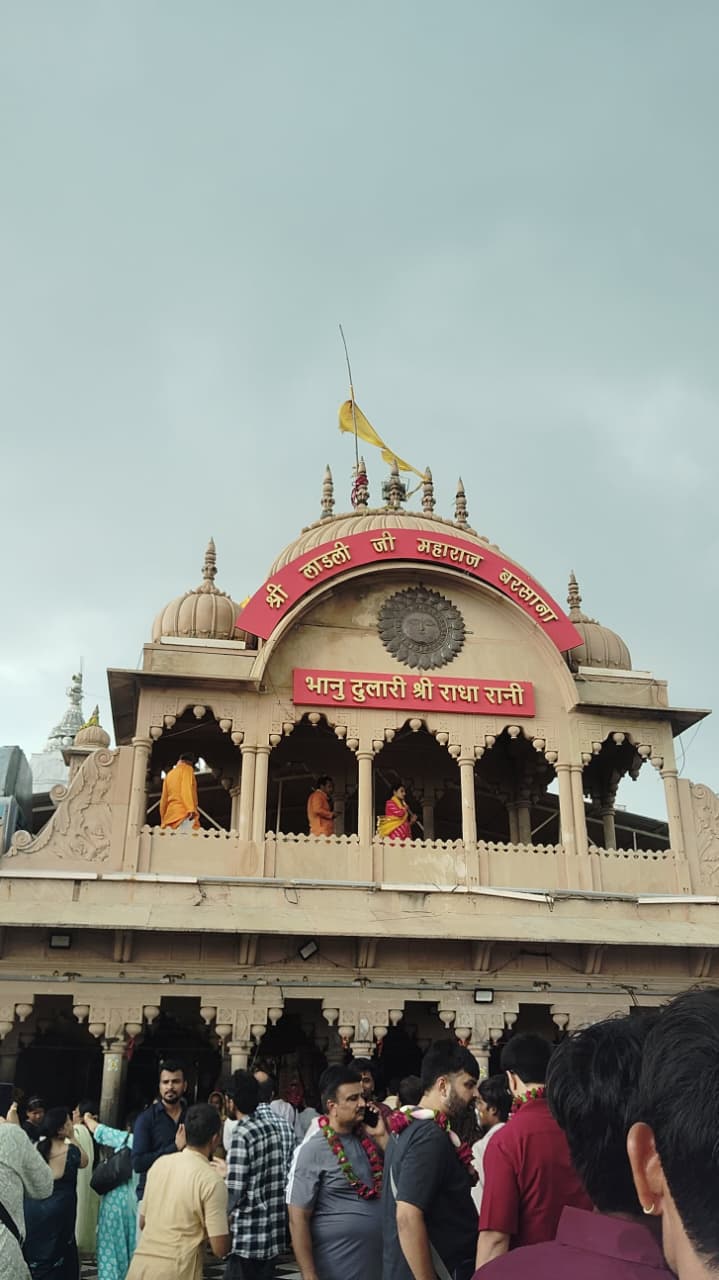
Shringar aarti at Radha Rani Mandir, Barsana

The Barsana temple puts its own darshan on its own channel, day after day. This is the shringar aarti from 10 August 2026, thirteen minutes in front of Ladli Ji on the hill.

Source: Mandir Shri Ladli Ji Maharaj Barsana, official channel

Braj filmThe cow and her calf

Chanting

Chanting

Kirtan Mela at Vrindavan Chandrodaya Mandir

The temple's Kirtan Mela, hours of kirtan streamed live from Vrindavan Chandrodaya Mandir and published on the temple's own channel.

Source: Vrindavan Chandrodaya Mandir, official channel
Chanting

The kirtan that keeps going

Kirtan at ISKCON Vrindavan's Krishna Balarama Mandir, where the maha mantra is sung day and night and streamed live.

Source: ISKCON Vrindavan, official channel

Record your chant

In your own voice

Recordings join the global chanting community on chantradhe.

Radhe Radhe

chantradhe

Chant Radhe Radhe, follow Vrindavan Chandrodaya Mandir, and visit the shop.

Visit chantradhe.com
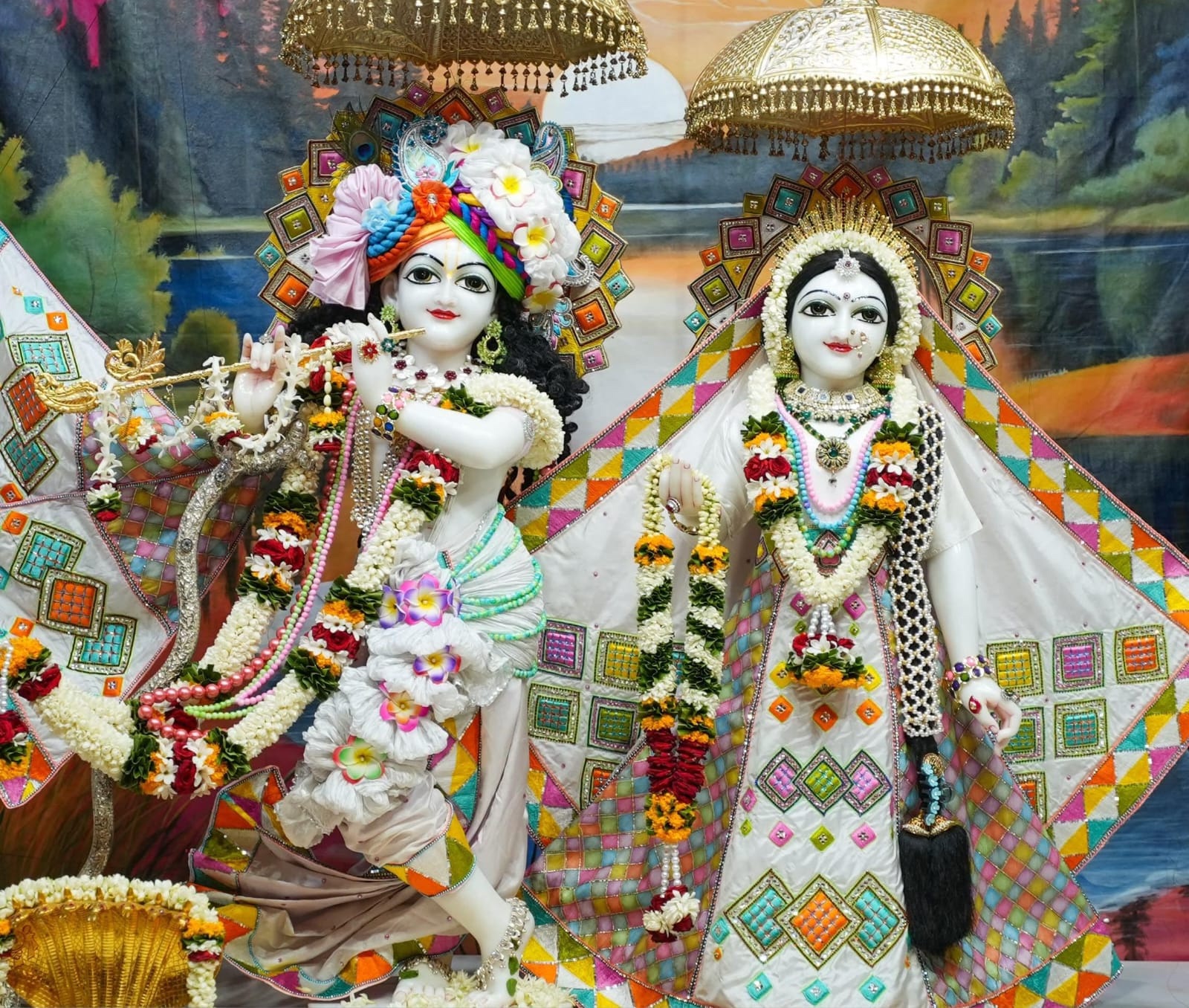
Radha and Krishna deities dressed and garlanded for darshan

From Vrindavan Chandrodaya Mandir

Visit vcm.org.in

Happening now

Kartik at Vrindavan, 26 October to 24 November

The temple is keeping Kartik Utsav through the month it calls Damodar Maas. Its page tells the story the month is named for: Mother Yashoda tried to bind Krishna to the grinding mortar, every rope fell two fingers short, and seeing her love he let himself be tied. Dama is the rope, udara the belly. The temple counts five festival days in the month, Diwali and the Damodara lila, Govardhan Puja, Gopashtami, the Rasa Lila, and the day Rama returned to Ayodhya, and it keeps a ghee lamp offering running through all of them.

Source: Vrindavan Chandrodaya Mandir, official website

Festival

Radhastami at the temple

The temple kept Radhastami, the appearance day of Srimati Radharani, in Sri Vrindavan Dham. The day ran through a Pallaki Utsava and a Bhajan Sandhya, then the Maha Abhisheka with Vedic chanting, which the temple calls the central part of the celebration. Sankirtan and a discourse followed, and it closed with Maha Arati and prasadam handed out to everyone there.

Source: Vrindavan Chandrodaya Mandir, official website

Festival

Janmashtami, from the Pallaki Utsav to the Maha Arati

The temple's own report of Sri Krishna Janmashtami in Vrindavan. It opened with the Pallaki Utsav and a Bhajan Sandhya, then the Abhishekam with Vedic mantras and a session of Sankirtan. The temple felicitated its guests and donors, a pravachan followed on the life and teachings of Krishna, and the night ended with Maha Arati and Maha Prasadam.

Source: Vrindavan Chandrodaya Mandir, official website

Braj filmThe deer of the groves

Radha and Krishna deities dressed and garlanded for darshan

Temple

Vrindavan Chandrodaya Mandir, live

Live darshan, festival updates, and the Square Feet seva, from the Hare Krishna Movement's temple rising in Vrindavan. The day runs from Mangal Arati at 4:30 in the morning to Shayana Darshan at 8:15 at night.

Source: Vrindavan Chandrodaya Mandir, official temple schedule

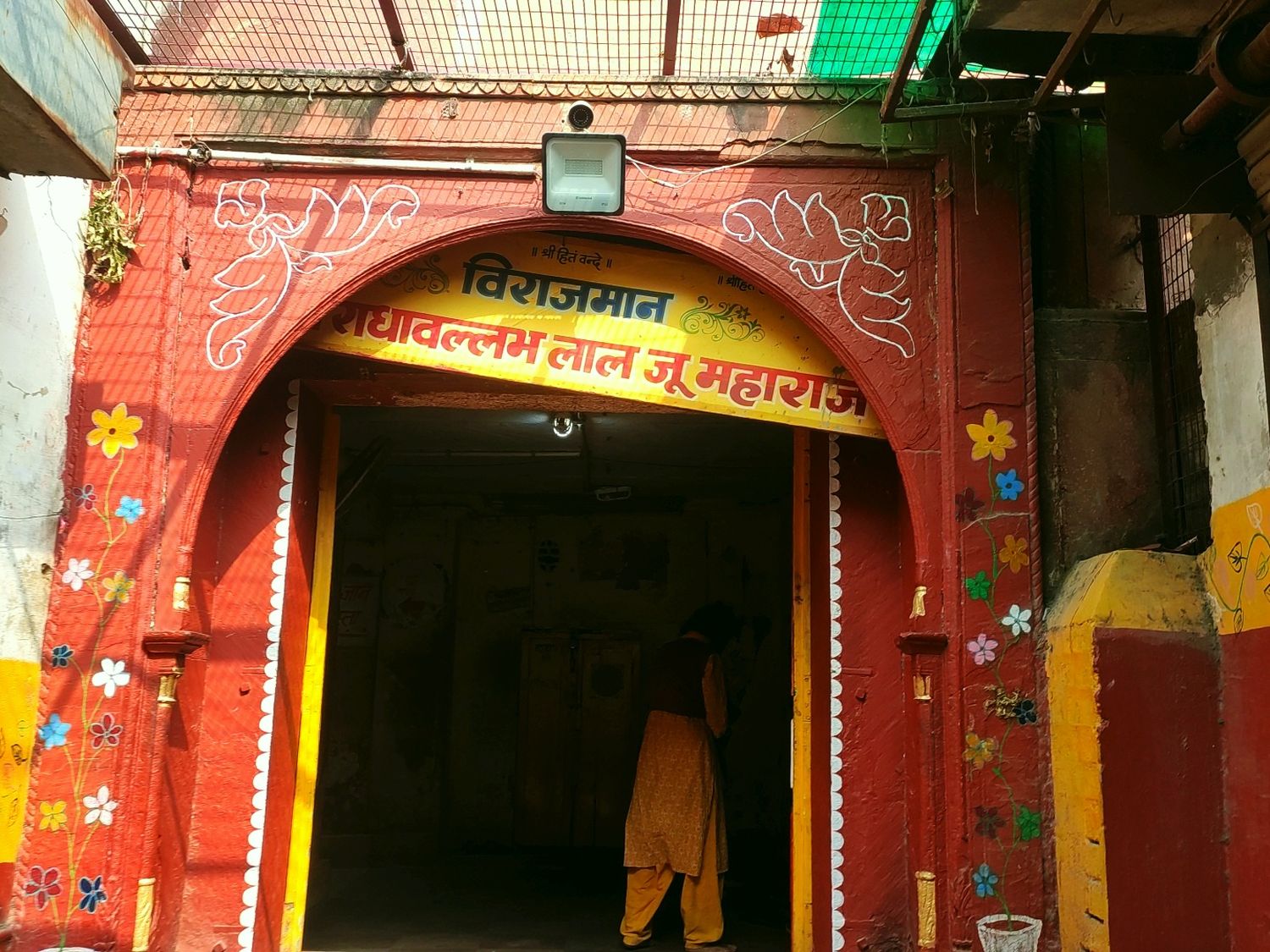
The painted red arch at the entrance of Radhavallabh Mandir, under a sign naming Shri Radhavallabh Lal Ju Maharaj

Photo: Goutam1962, CC BY-SA 4.0, Wikimedia Commons

Temple

Radhavallabh Mandir, live

Radhavallabh Mandir is the seat of Shri Radhavallabh Lal, in the line Shri Hit Harivansh Mahaprabhu began, with its own daily live darshan and a yearly calendar of utsavs. A devotee-run portal's history of the sampradaya says it was built in 1585 by Sundardas Bhatnagar, a disciple of Harivansh's son, under a royal grant from Akbar.

Source: Shri Radhavallabh Mandir, official website

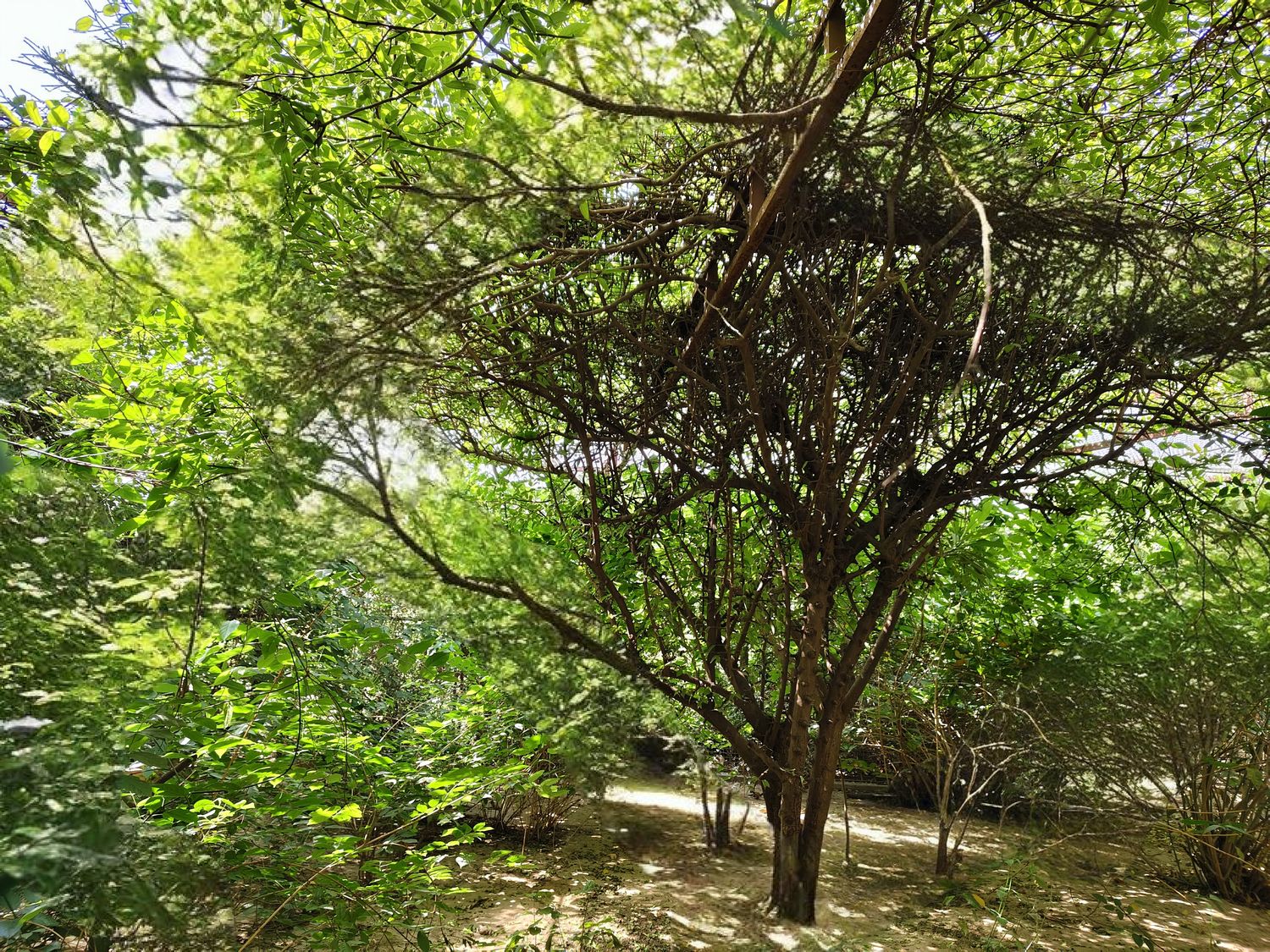
Twisted, intertwined trees in the sacred grove of Seva Kunj

Photo: Aliva Sahoo, CC BY-SA 3.0, Wikimedia Commons

Place

Seva Kunj, the grove that locks its gates

Swami Hit Harivansh, said to be an incarnation of Krishna's flute, discovered this grove in 1590, certain that Radha and Krishna dance here with their sakhis every night and rest after in the Nij Mahal. Its gates are locked after the evening aarti, and devotees believe anyone who stays to watch goes blind, deaf, or mute. The Braj Foundation restored it from 2011, rebuilding the boundary wall and pathways and replanting the grove.

Source: The Braj Foundation

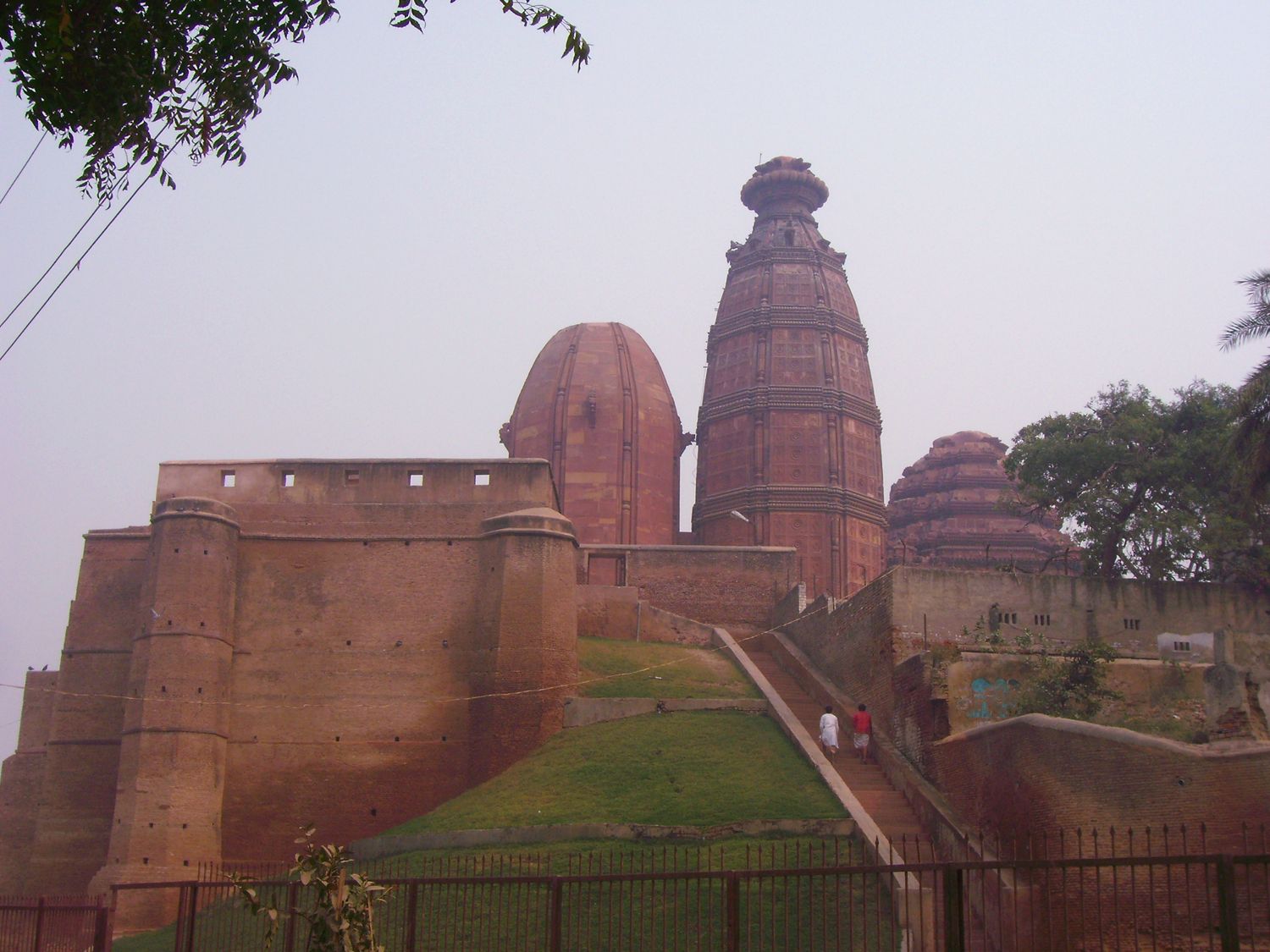
The tall carved Nagara-style tower of Radha Madan Mohan temple rising above its fort-like base near the Yamuna

Photo: Atarax42, CC BY-SA 3.0, Wikimedia Commons

Temple

Radha Madan Mohan, above Kaliya Ghat

One of the oldest and most revered temples in Vrindavan, says the district government, built in the Nagara style on the Yamuna bank near Kaliya Ghat, and it stands fifty feet tall. Madan Mohan, a form of Krishna, stands on the altar with Radha and Lalita gopi beside him. Darshan runs 7 to noon and 4 to 8 in winter, 6 to 11 and 5 to 9:30 in summer.

Source: District Mathura, Government of Uttar Pradesh

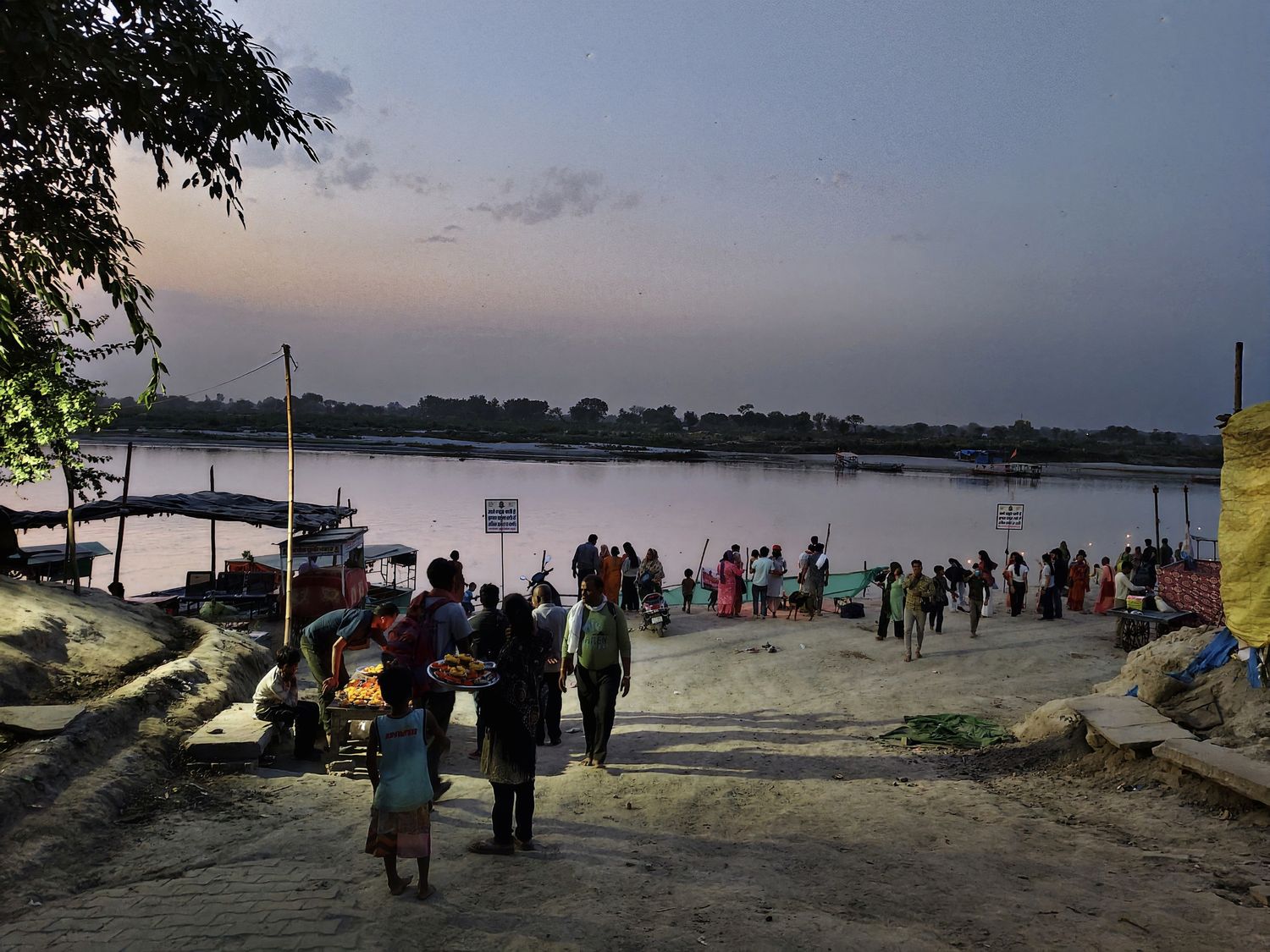
Devotees gathered at Keshi Ghat on the Yamuna at dusk, boats moored at the bank

Photo: Aliva Sahoo, CC BY-SA 3.0, Wikimedia Commons

Place

Keshi Ghat, where Krishna came to bathe

Keshi, a horse-demon sent by Kamsa, charged at Krishna in Vrindavan. Krishna caught his legs and threw him, then, when Keshi attacked again with his mouth open, pushed an arm inside until the demon choked. Afterward Krishna came down to this ghat on the Yamuna to bathe, since his hand had been inside Keshi's mouth, and the ghat has carried his name ever since. It stands on the river bank near Nidhivan, a bathing ghat still in use today.

Source: Braj Ras, a Braj Dham pilgrimage guide

See all 16 temples and places

The Bazaar

Real shops and services in Vrindavan

Flowers and malas, pooja samagri, pedas, places to stay and eat, parikrama, learning, seva. Each one links to the shop’s own page.

Open the Bazaar
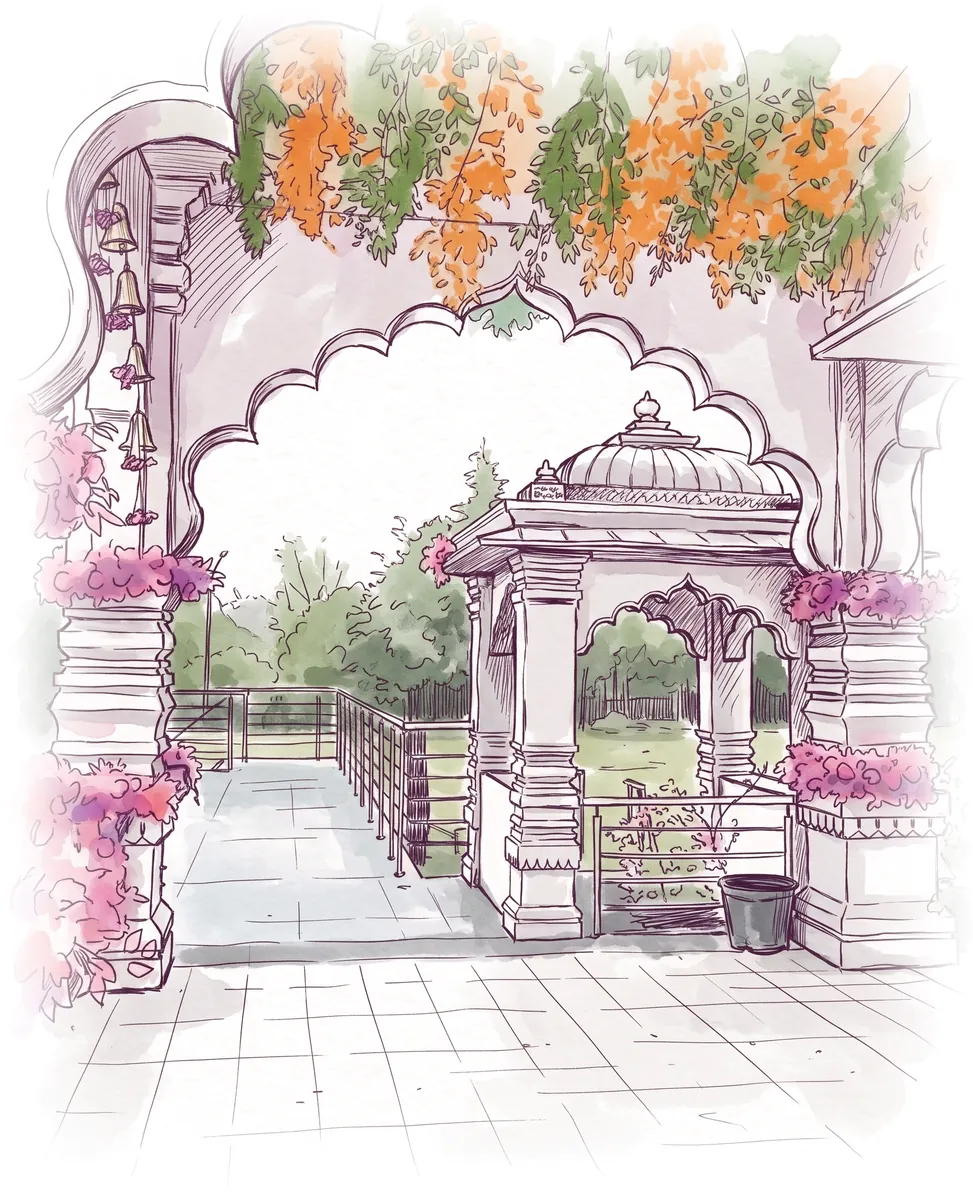
Sketch of a pavilion at Vrindavan Chandrodaya Mandir
Vrindavan Chandrodaya Mandir
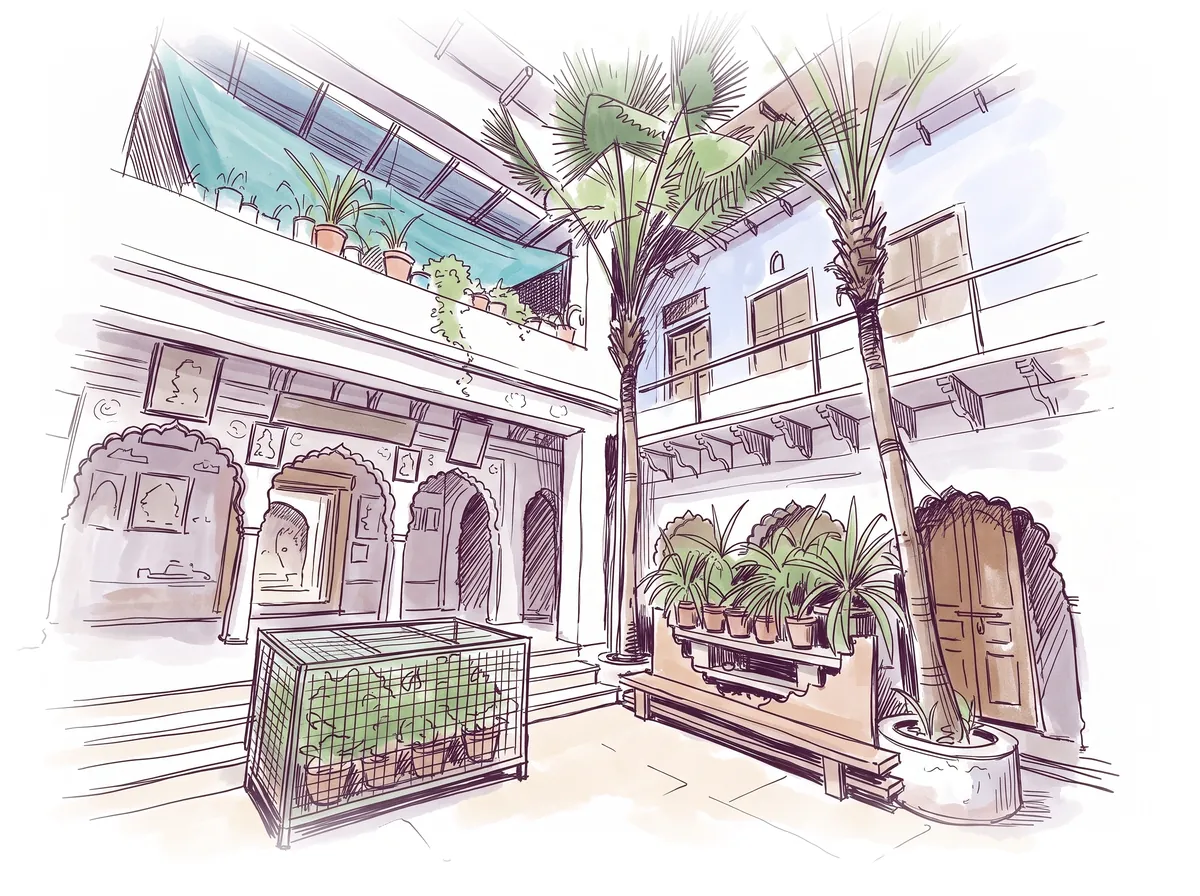
Sketch of the courtyard of the Mirabai temple in Vrindavan
Mirabai temple, Vrindavan
A woman swings a lathi at a shielded man during Lathmar Holi as a crowd watches

Photo: Mondalsaibal, CC BY-SA 4.0, Wikimedia Commons

Culture

Lathmar Holi, Barsana's answer

The district tells the legend: Krishna came to tease Radha and her friends in her village, and Barsana's women chased him off. Men from Nandgaon still visit every spring, and the women still greet them with lathis, in the compound of what the district calls the only temple in the country dedicated to Radha.

Source: District Mathura, Government of Uttar Pradesh

Culture

Gopashtami, when Krishna began herding the cows

ISKCON Vrindavan dates it 17 November 2026. The temple tells it as the day Krishna began tending the cows, having looked after the calves before then, as a child. It is also called Gosthashtami, and the temple remembers him that day by two of his names: Govinda, the giver of pleasure to the cows and the senses, and Gopala, their protector. The day is kept with Go Puja, with prayers and thanks, the cows decorated where that is fitting, and fodder and clean water given to them.

Source: ISKCON Vrindavan, official website

Culture

Radhashtami, when devotees throng Barsana

On Radhashtami 2026, 19 September, devotees thronged the Shri Radha Rani Temple in Barsana, and temples across Mathura, Vrindavan and the wider Braj region, India's state broadcaster reported. Hindu tradition holds that Radha Rani was born in Barsana, and Radhashtami marks her arrival; devotees fast and worship Radha and Krishna, believing it brings love, happiness and peace into their lives.

Source: Akashvani News, All India Radio / Prasar Bharati

Culture

Gopeshwar, the day Shiv came as a gopi

Banke Bihari Mandir tells this one. On Sharad Poornima, Shiv came to the Rasa Mandal and Vrinda Devi turned him away, telling him there is no male in Vrindavan other than Krishna. He sat in meditation, Lalita Devi told him what to do, and he took a dip in the Yamuna and came out a young charming gopi. He was let in, and Krishna called him Gopeshwar. For this the temple holds Shiv to be the foremost Vaishnav and the guru of all Vaishnavas. His temple stands near Vamshivat.

Source: Shri Banke Bihari Mandir, its own page on the legends of Vrindavan

Culture

How Banke Bihari came out of Nidhivan

Swami Haridas was singing in a kunj of Nidhivan when his disciples were caught in a light they could not stand, and at his asking the Lord came before them in person with his divine consort, smiling, in a playful mood. Haridas asked the two of them to take one form, as cloud and lightning are one thing, and what was left was a single black charming idol. The temple that stands over it now was built in 1862, in the Rajasthani style of its day, with the Goswamis raising the money themselves.

Source: Shri Banke Bihari Mandir, its own history page

See all 7 festivals and stories

The van

The groves of Vrindavan, slow and still

राधे राधे